







Alopecia Types, Causes & Facts
Androgenic Alopecia
(Alopecia Androgenetica)
Androgenic Alopecia, also known as Male or Female Pattern Hair Loss, is the most common form of Hair Loss affecting both men and women. It is a hereditary condition influenced by hormones known as androgens, which play a role in regulating hair growth.
In Men:
This condition is often referred to as Male Pattern Baldness. Hair loss typically begins at the temples and crown of the head, gradually forming a characteristic “M” shape. Over time, the hair may thin further, often resulting in a horseshoe-shaped ring of hair around the sides and back of the head. In some cases, it can progress to complete baldness.
In Women:
Causes
- Genetic predisposition
- Hormonal changes (e.g., during menopause or due to conditions like polycystic ovary syndrome)
- Aging
While this type of Hair Loss is permanent, various treatments—both non-surgical and surgical—can help manage or restore hair growth, depending on the severity and stage of the condition.
Alopecia Areata
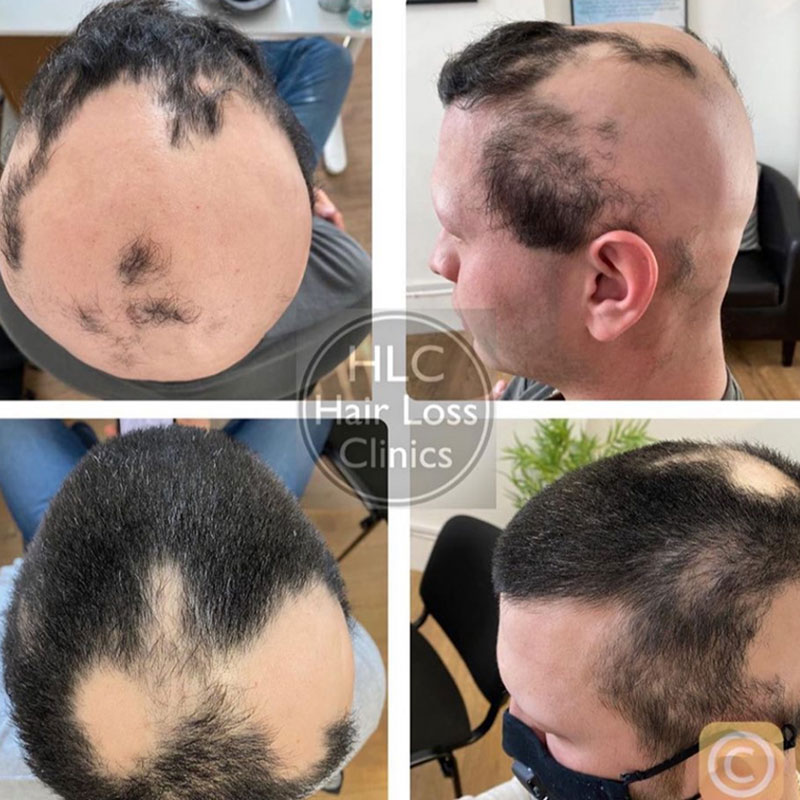
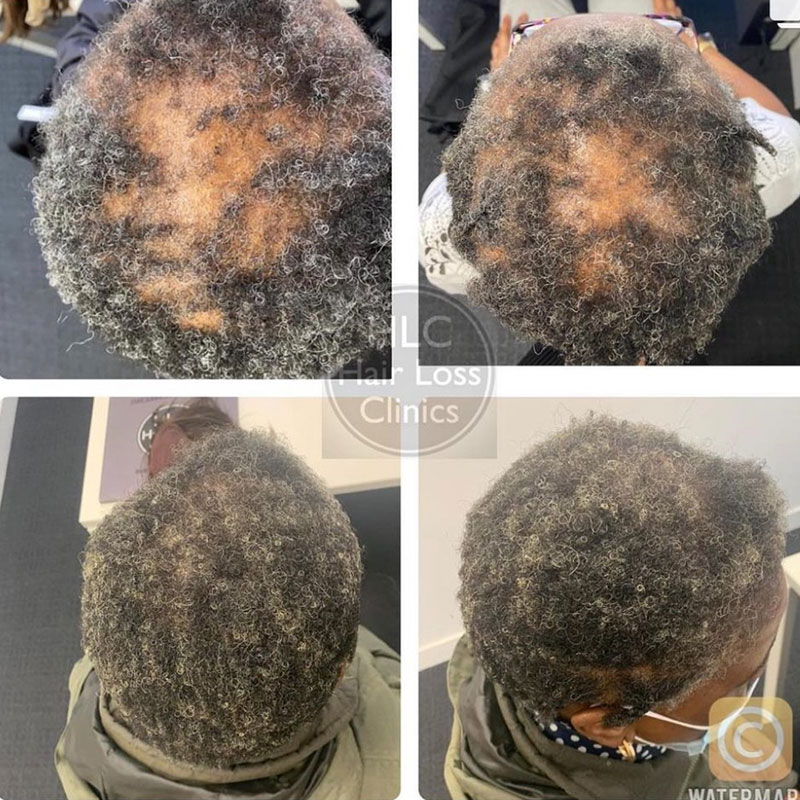
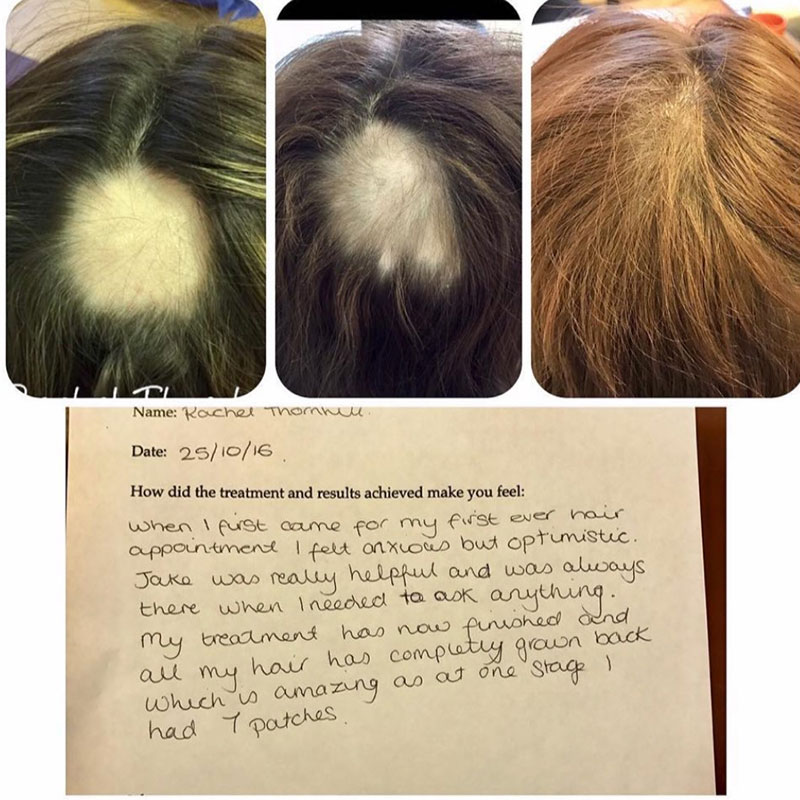
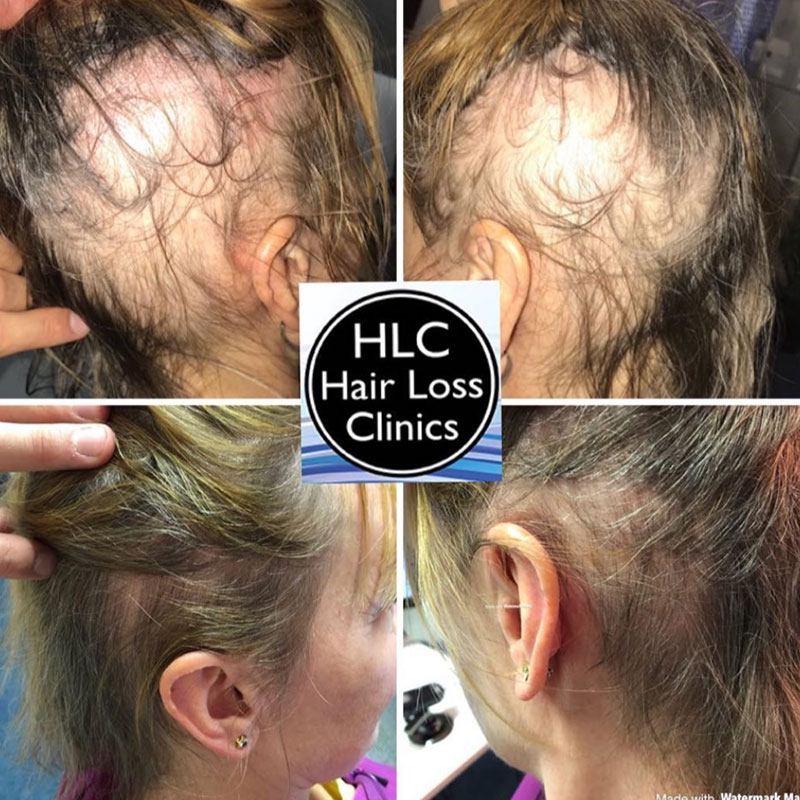
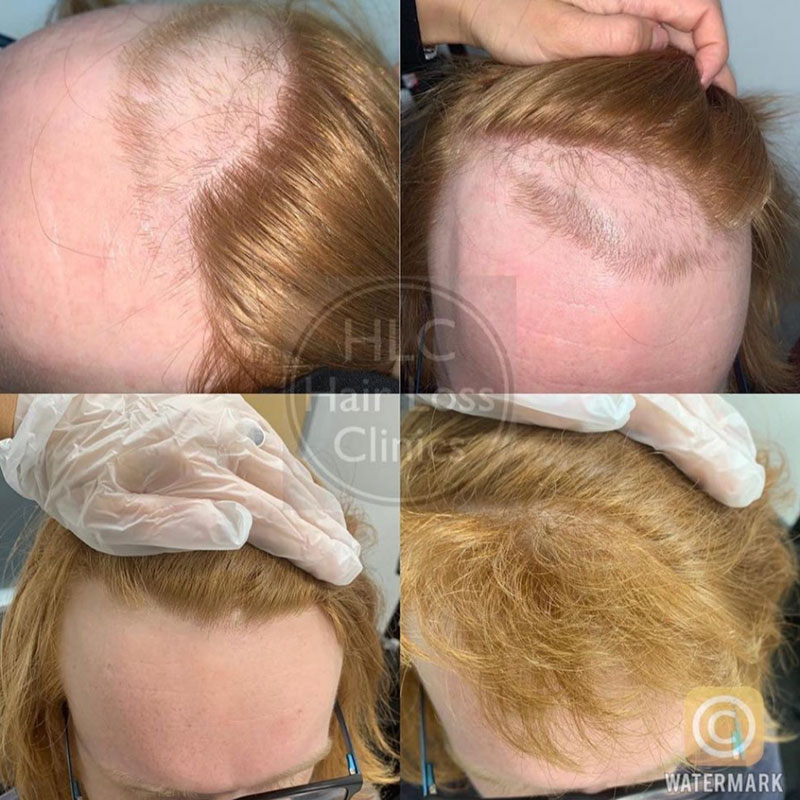
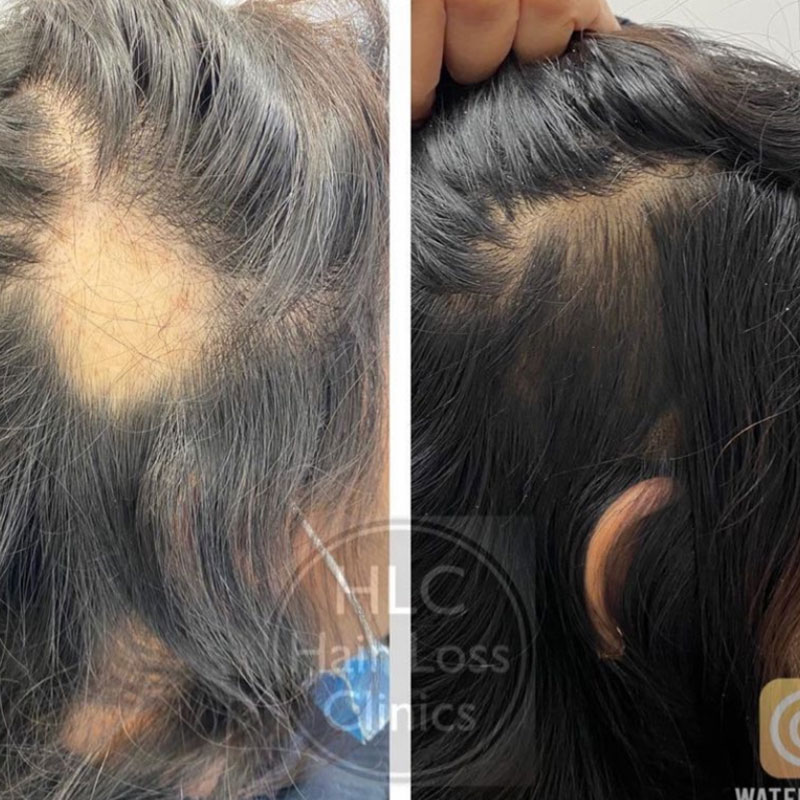
Alopecia Areata is a common yet unpredictable autoimmune skin disorder that causes hair loss on the scalp and sometimes elsewhere on the body. Affecting approximately 1.7% of the population, this condition occurs when the immune system mistakenly attacks healthy hair follicles, disrupting the natural growth cycle and leading to smooth, round bald patches.
Hair loss may be limited to isolated areas or may progress in severity:
- Alopecia Totalis – Complete loss of scalp hair.
- Alopecia Universalis – Total loss of all body hair, including eyebrows and eyelashes.
Facts About Alopecia
Alopecia Totalis
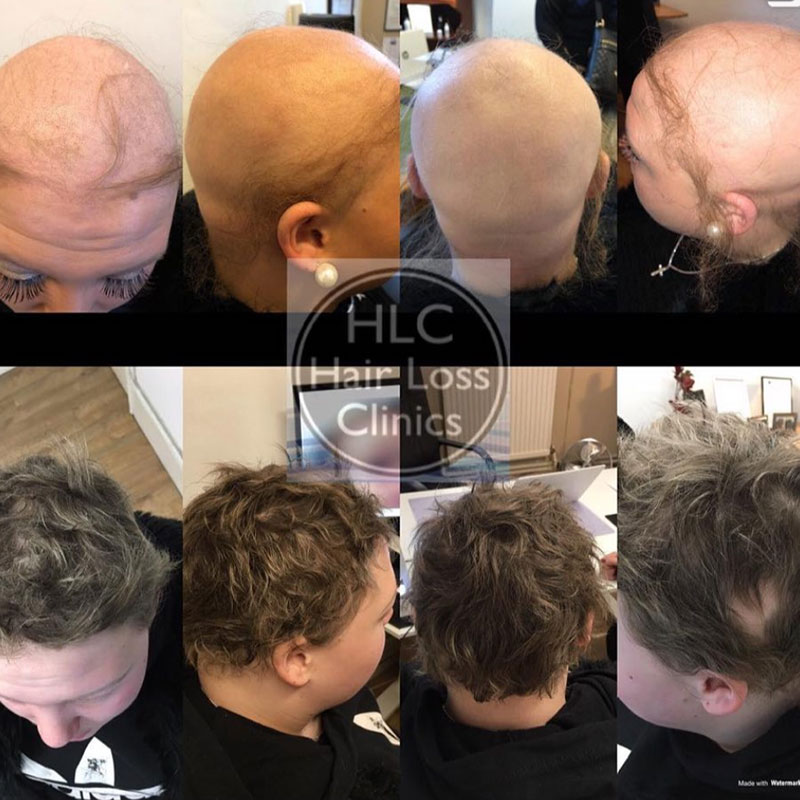
A more advanced form of Alopecia Areata, Alopecia Totalis results in the complete loss of hair from the scalp. It is believed to be triggered by autoimmune factors, and while stress is often suggested as a potential contributor, many individuals with low stress levels also develop this condition.
Alopecia Universalis
The most severe subtype of Alopecia Areata, Alopecia Universalis involves the complete loss of hair across the entire body. This includes the scalp, face, and body hair. It is extremely rare, with an estimated incidence of just 1 in 100,000 people.
Traction Alopecia
Traction Alopecia is caused by continuous tension or pulling on the hair, often due to hairstyles such as tight ponytails, braids, or cornrows. Over time, this stress can damage the hair follicles and result in hair breakage or permanent hair loss, especially around the hairline. Additional contributing factors include excessive heat styling, harsh brushing, and rough scalp treatments.
Trichotillomania
Trichotillomania is a psychological condition characterised by a compulsive urge to pull out one’s own hair. Often beginning in adolescence, the repeated pulling damages hair follicles and can lead to permanent hair loss over time if left untreated.
Telogen Effluvium
Telogen Effluvium is a temporary Hair Loss condition where a significant number of hair follicles prematurely enter the resting (telogen) phase of the hair cycle, resulting in diffuse thinning or shedding. Triggers include:
- Physical or emotional stress
- Major surgery
- Severe illness
- Childbirth
- Nutritional deficiencies
- Crash dieting
- Thyroid imbalances
- Certain medications
- Chemotherapy
Hair often regrows through treatments such as Laser Hair Therapy.
Radiation-Induced Hair Loss
Radiotherapy targeted at the scalp—commonly used in cancer treatments—can damage hair follicles in the irradiated area, leading to temporary or permanent baldness, depending on the radiation dose and duration.
Alopecia Barbae
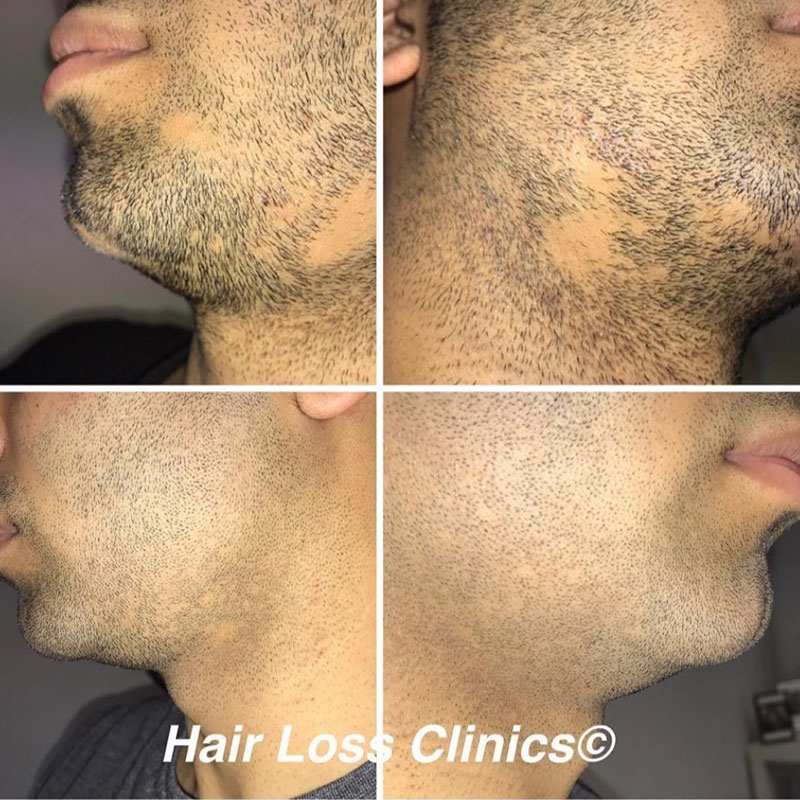
Alopecia Barbae is a subtype of Alopecia Areata that specifically affects facial hair, causing patchy bald spots in the beard area. It is an autoimmune condition where the immune system attacks hair follicles in the beard, mistaking them for foreign threats.
Encouraging Developments
While autoimmune-related hair loss conditions such as Alopecia Areata and its subtypes can be distressing, many individuals have experienced meaningful improvements through targeted treatment protocols. At our clinic, we offer specially formulated solutions designed to support hair regrowth and follicle health, tailored to the specific type and severity of Hair Loss.